East Bethel, MN
Call Us 763-413-7001
FREE Estimates | Factory Warranties on New Auto Parts
Explore our auto repair blog for valuable tips, trends, and maintenance advice

When to Replace vs Repair Your Exhaust System
Introduction
Your vehicle’s exhaust system does more than manage emissions. It also reduces engine noise, improves fuel efficiency, and helps your engine perform smoothly. When parts of the exhaust system wear out or become damaged, you may notice changes in sound, power, or even fuel usage. The challenge for many drivers is knowing whether the issue can be repaired or if the system (or part of it) needs to be replaced entirely.
This blog explains how to recognize exhaust problems, what causes them, and how to decide between repairing and replacing the affected components.
What the Exhaust System Does
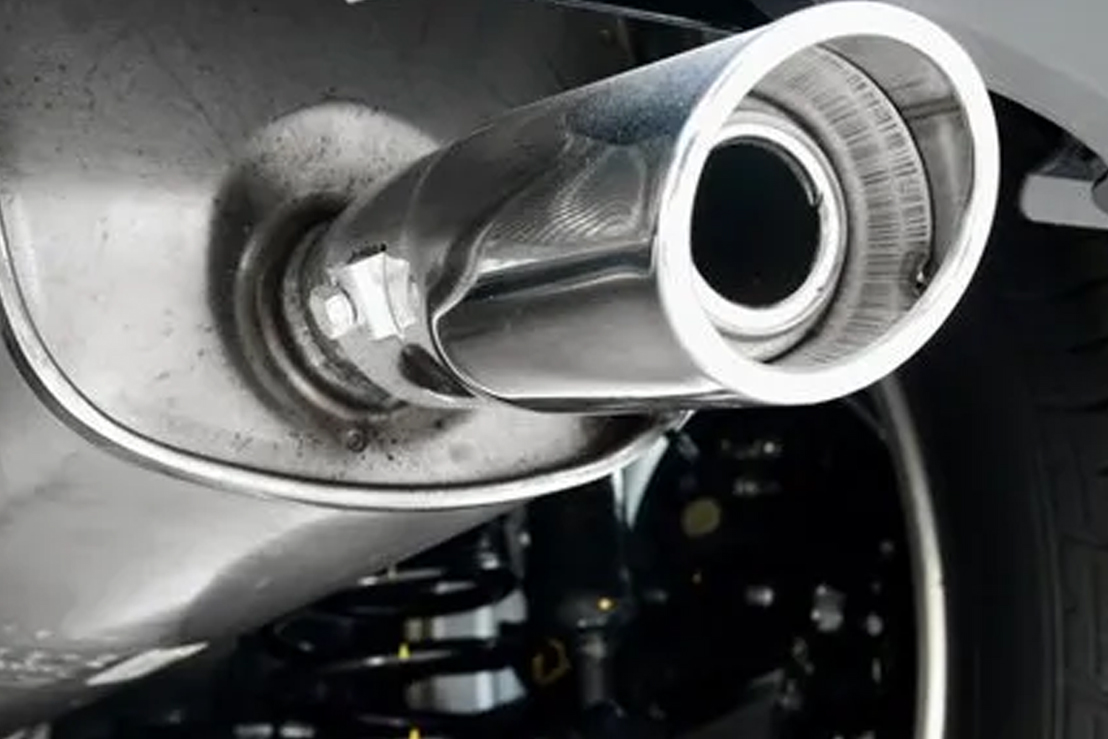
The exhaust system directs harmful gases away from the engine and passenger cabin while minimizing noise and assisting in efficient engine combustion. It includes multiple parts: the muffler, catalytic converter, exhaust manifold, pipes, oxygen sensors, and hangers. Each part works together to manage heat, noise, and emissions.
When any of these components begin to fail, overall engine performance and driving comfort may decline.
Common Signs of Exhaust System Problems
Changes in sound or vehicle performance are often the first signs of exhaust trouble. Understanding these signs early helps prevent damage to other engine components.
Loud or Rattling Noise
A failing muffler or loose exhaust components can cause noticeable noise.
Rattling sounds may indicate broken internal parts or loose heat shields.
Reduced Fuel Efficiency
If exhaust gases are not flowing correctly, the engine works harder.
This results in increased fuel usage over time.
Strong Smell of Exhaust Fumes
If fumes are noticeable inside or around the vehicle, it may indicate leaks.
This is a safety concern and should be addressed immediately.
Decreased Engine Performance
A restricted or damaged catalytic converter or exhaust pipe can impact engine power, making acceleration feel slow or strained.
Rust or Visible Damage
Rust naturally forms over time due to moisture and salt exposure.
In Minnesota climates, winter road salt accelerates corrosion.
When Repair Makes Sense
Not all exhaust problems require full replacement. Many issues can be corrected with focused repairs.
Repair may be the right choice when:
Only one section of the exhaust pipe is damaged
A clamp, hanger, or bracket is broken or loose
Rust is present but has not caused holes or cracks
The noise issue is due to a small leak or loose joint
A sensor needs replacement, but pipes and muffler are intact
Repairs work best when the damage is limited and the rest of the exhaust system is in good condition.
When Replacement Is the Better Option
Replacement becomes necessary when parts are too damaged to be restored safely or effectively.
Replace part or all of the exhaust system when:
Rust has caused holes in the pipes, muffler, or catalytic converter
The catalytic converter is clogged or failing
Multiple exhaust sections have corrosion or leaks
Repairs would only offer temporary improvement
Exhaust fumes are leaking into the cabin
The vehicle consistently fails emissions standards
In these cases, replacement provides a safer, longer-lasting solution.
How to Decide: Repair or Replace?
To determine the best course, it often comes down to three key factors.
Extent of Damage
Minor leaks or loose parts can be repaired.
Structural rust or cracks usually require replacement.Vehicle Age and Condition
On older vehicles, replacing part of a severely rusted system may cost more than it’s worth to patch repeatedly.Long-Term Cost Efficiency
Sometimes a slightly higher upfront cost prevents repeated repairs in the future.
A professional inspection helps identify which parts are still sound and which are approaching the end of their lifespan.
FAQ
How long should an exhaust system last?
Most exhaust components last 5–7 years, but road salt and climate can shorten lifespan.
Is it safe to drive with an exhaust leak?
Not recommended. Exhaust gases can enter the cabin, and performance issues can worsen over time.
Why do exhaust systems rust so quickly in winter?
Moisture and road salt accelerate corrosion, especially on the underside of the vehicle.
Does replacing an exhaust improve performance?
Yes. A well-functioning exhaust system helps your engine breathe and run more efficiently.
Conclusion
Your exhaust system plays a major role in vehicle safety, comfort, and engine performance. When issues arise, deciding between repair and replacement depends on the severity of damage, the age of the vehicle, and long-term cost considerations. Addressing exhaust problems early helps prevent larger failures and maintains safe vehicle operation.
If your vehicle is louder than normal, losing fuel efficiency, or showing signs of rust damage, it’s time for a professional inspection to determine the best approach.

Schedule Your Auto Services Today
Keep your vehicle in top condition with our professional maintenance services. Book your next appointment now to ensure your car runs smoothly and efficiently.
Get started on reliable vehicle performance today.
FOR DIAGNOSTICS, MAINTENANCE, OR ANY AUTO REPAIR NEEDS

CALL US
(763) 4137 001
AUTO SERVICES
CONTACT INFORMATION
Call us: 763-413-7001
Address:
18607 MN-65, East Bethel, MN 55011
Business Hours
Mon - Fri: 7:30 AM– 5:00 PM
Sat & Sun: Closed


© 2025 All Rights Reserved | Transworks Plus | Privacy Policy