East Bethel, MN
Call Us 763-413-7001
FREE Estimates | Factory Warranties on New Auto Parts
Explore our auto repair blog for valuable tips, trends, and maintenance advice

Benefits of Regular Brake System Inspections
Introduction
Your brakes are one of the most important safety systems in your vehicle. Whether you’re driving in city traffic, on the highway, or along Minnesota’s rural roads, your brake system controls your ability to slow down, stop, and react to unexpected situations. Because brake components gradually wear down with normal use, regular inspections are essential to make sure the system works the way it should when you need it most.
This blog explains why routine brake inspections matter, what they help prevent, and how they improve long-term vehicle performance and safety.
What the Brake System Does and Why It Needs Attention
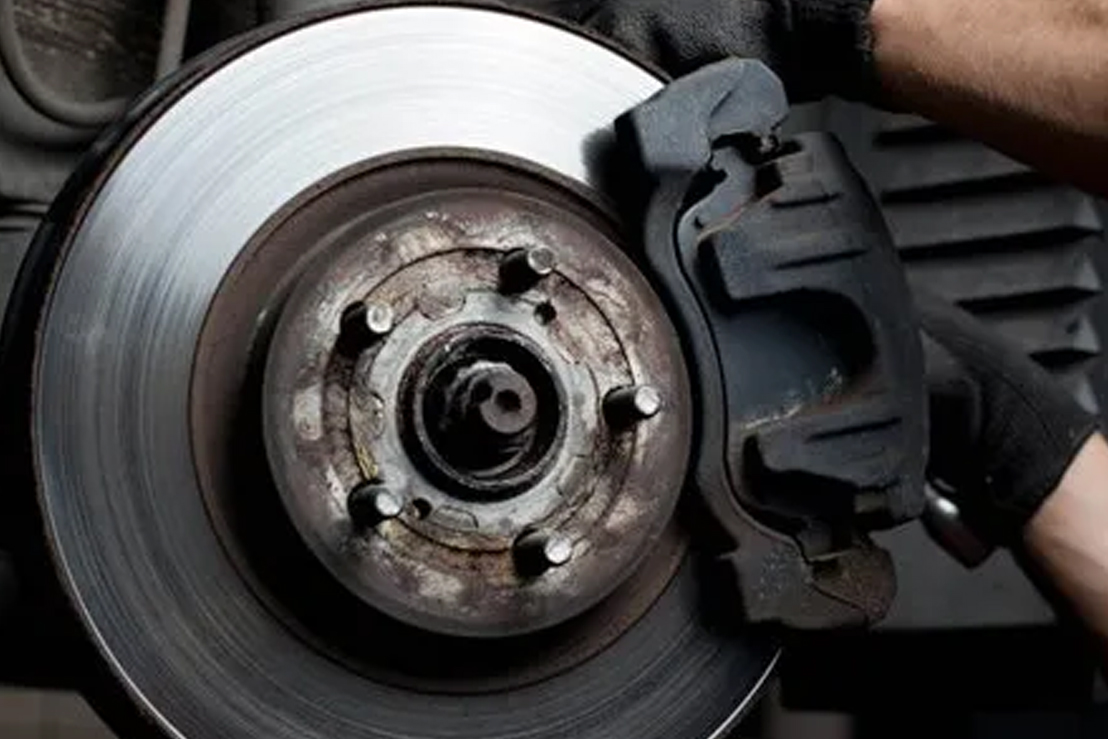
The brake system uses hydraulic pressure, friction materials, and mechanical components to convert pedal pressure into stopping power. As you drive, parts like brake pads, rotors, calipers, and brake fluid slowly wear or break down over time.
Regular inspections allow issues to be identified early — before they affect stopping distance or safety. Even small changes in brake performance can signal something more serious developing behind the scenes.
Key Benefits of Regular Brake System Inspections
Understanding the benefits helps you see why brake inspection is more than just routine maintenance — it’s a critical safety practice.
Improves Safety and Stopping Power
Inspections ensure brakes perform the way they were designed to.
Correct braking distance can prevent collisions and sudden loss of control.
Prevents Costly Repairs
Catching wear early prevents damage to larger components.
For example, replacing worn brake pads early can prevent rotor damage.
Extends Component Lifespan
Consistent checks allow parts to be serviced at the right time — not too early, not too late.
This avoids unnecessary replacement and maximizes part lifespan.
Protects Against Brake Fluid Breakdown
Brake fluid absorbs moisture over time, reducing hydraulic pressure.
Inspections help determine when fluid should be flushed before performance becomes unsafe.
Ensures Even and Predictable Braking
Inspections help identify uneven wear, which can cause pulling, vibration, or inconsistent braking.
Smooth braking improves driver confidence and comfort.
Signs Your Brakes Should Be Checked Sooner
Even between routine inspections, your vehicle may show signs that braking components need attention. These symptoms are noticeable while driving and should not be ignored.
Squeaking or Grinding Noises
Brake pads may be worn or metal components may be making contact.
Vibrations When Braking
Often indicates warped rotors or uneven wear.
Longer Stopping Distance
A clear sign of reduced braking efficiency or low brake fluid pressure.
Soft or Spongy Brake Pedal
Air or moisture in brake lines can reduce pressure and safety.
Burning Smell After Braking
May indicate overheated brakes or fluid breakdown — especially after driving downhill.
What Happens During a Professional Brake Inspection
A reliable brake inspection includes examining all major braking components. Here's what technicians typically check:
Brake Pads and Shoes
Measured for wear thickness.Rotors and Drums
Checked for warping, grooves, and heat damage.Calipers and Hardware
Inspected for proper movement and even pressure.Brake Lines and Hoses
Checked for leaks, cracks, or damage.Brake Fluid Condition
Tested to determine moisture content and boiling point.
These steps ensure the system works safely and predictably.
FAQ
How often should brakes be inspected?
Most vehicles benefit from brake inspections every 6 months or at every oil change, depending on driving conditions.
When should brake fluid be replaced?
Typically every 2 years, but more frequently if the vehicle experiences heavy use or operates in extreme temperatures.
Do new vehicles need brake inspections?
Yes. Even newer vehicles experience brake wear, especially in stop-and-go driving.
Can I visually check brakes myself?
You can observe pad thickness through wheel openings, but internal components require professional tools to assess correctly.
Conclusion
Regular brake system inspections protect your safety, prevent expensive damage, and keep your vehicle performing reliably. By identifying issues early, you maintain proper stopping power and avoid unexpected failures. If you notice unusual noises, vibrations, or reduced braking response, it’s time for a professional inspection — sooner rather than later.

Schedule Your Auto Services Today
Keep your vehicle in top condition with our professional maintenance services. Book your next appointment now to ensure your car runs smoothly and efficiently.
Get started on reliable vehicle performance today.
FOR DIAGNOSTICS, MAINTENANCE, OR ANY AUTO REPAIR NEEDS

CALL US
(763) 4137 001
AUTO SERVICES
CONTACT INFORMATION
Call us: 763-413-7001
Address:
18607 MN-65, East Bethel, MN 55011
Business Hours
Mon - Fri: 7:30 AM– 5:00 PM
Sat & Sun: Closed


© 2025 All Rights Reserved | Transworks Plus | Privacy Policy